Learn how business prepaid cards for employees improve spend control, reduce reimbursement delays, and support safer company expense management with best practices
Why Businesses Are Replacing Reimbursements With Prepaid Controls
Business Prepaid Cards for Employees: Benefits, Use Cases, and Best Practices have become a practical answer to a familiar finance problem: teams need to spend quickly, but companies still need tight control. Reimbursements are slow, corporate credit cards are often limited to a handful of executives, and petty cash creates audit headaches. For operations leaders, HR teams, and finance managers, that gap can turn routine purchases into approval bottlenecks and policy risk.
That is where a structured prepaid card program changes the workflow. Instead of asking employees to front costs or share company cards, businesses can issue funded cards with preset rules, merchant restrictions, and transaction visibility. At iGaming Payment, we have seen how prepaid setups help fast-moving companies reduce expense friction without giving up oversight.
Business prepaid cards for employees are company-issued payment cards loaded with a controlled amount of funds for approved business spending. They are typically used for travel, field operations, employee allowances, project budgets, and one-off purchases, while giving finance teams more control than reimbursements and more flexibility than traditional corporate cards.
The strongest programs do more than pay for expenses. They create spend guardrails, improve employee experience, speed up purchasing, and support compliance. The catch is that they only work well when the card policy, funding model, and reporting process are designed with real operational behavior in mind.
Table of Contents
- What business prepaid cards are and how they work
- The biggest benefits for employers and employees
- Real-world use cases across teams and industries
- How prepaid cards compare with credit cards and reimbursements
- Risks, limitations, and policy mistakes to avoid
- How to launch a prepaid card program that finance can trust
- What we learned at iGaming Payment from using employee prepaid cards
- Trends shaping prepaid spend management through 2026
What Business Prepaid Cards Are and How They Work
A business prepaid card is funded before spending happens. That one detail changes the risk profile. Unlike a credit card, the company is not extending a revolving credit line to the employee. Unlike reimbursement, the employee does not have to use personal cash and wait to get paid back. The employer loads a set balance, defines approved usage, and can top up, freeze, or deactivate the card as needed.
Most programs support physical and virtual cards. Physical cards work well for travel, retail, and on-site buying. Virtual cards are stronger for software subscriptions, ad spend, vendor payments, and remote teams. Modern platforms also allow spend limits by day, week, merchant category, user, or project.
According to the 2024 AFP Payments Fraud and Control Survey, organizations continue to prioritize stronger payment controls and monitoring as fraud pressure remains elevated across business payment channels. That matters here because prepaid cards are not just a convenience tool; they are also a way to reduce unnecessary exposure by limiting available balances and narrowing where cards can be used.
“The best employee card programs are built around controlled autonomy. People can buy what they need, but the business decides the boundaries before the transaction happens, not after.”
Core features that matter most
- Preloaded or on-demand funding
- Per-user and per-team spend limits
- Merchant category restrictions
- Real-time transaction alerts
- Instant freeze and replace controls
- Receipt capture and expense coding
- Virtual card issuance for online use
- Role-based approval and audit logs
The Biggest Benefits for Employers and Employees
The appeal of prepaid cards is not just financial control. It is operational speed with cleaner governance. Employees stop acting as short-term lenders to the company, while finance gets a cleaner trail than cash advances or after-the-fact reimbursements.
From an employer perspective, the benefits are immediate:
- Better cash control: You decide how much funding is available before spending starts.
- Lower misuse risk: Cards can be limited by amount, merchant type, or timeframe.
- Faster procurement: Teams can make approved purchases without waiting for repeated approvals.
- Cleaner accounting: Real-time feeds and digital receipts improve expense categorization.
- Scalability: Temporary workers, contractors, event staff, and regional teams can all receive controlled spend access.
For employees, the value is just as clear. Nobody enjoys submitting reimbursement forms for parking, supplies, meals, or client travel. A funded card reduces friction and lowers personal financial stress. That matters more than many finance departments realize. According to a 2024 PwC Employee Financial Wellness survey, financial stress continues to affect employee productivity and engagement across the workforce. Requiring staff to front business expenses can quietly amplify that stress.
Real-World Use Cases Across Teams and Industries
Employee prepaid cards work best when the spending need is frequent, time-sensitive, and predictable enough to control. They are especially useful in decentralized organizations where waiting for central approvals slows down customer service or operations.
Travel and entertainment
Sales teams, recruiters, and executives often need fast payment for hotels, meals, rides, and incidentals. A prepaid card lets finance preload a travel budget and cap overspending without forcing employees into reimbursement cycles.
Field teams and site operations
Construction supervisors, installation crews, repair technicians, and event teams often need fuel, equipment, replacement parts, or same-day supplies. Prepaid cards reduce downtime because the purchase can happen on-site within policy limits.
Remote work and department budgets
Remote teams may need home office items, internet stipends, coworking access, or software tools. Instead of mailing checks or approving one-off claims, employers can issue purpose-specific cards with monthly caps.
Temporary labor and seasonal staffing
Seasonal businesses often struggle with controlled spending for temporary workers. Prepaid cards allow narrow, time-limited access without putting temporary staff on the main corporate credit program.
Marketing and digital spend
Virtual prepaid cards are useful for test campaigns, subscription tools, and one-brand-one-budget ad initiatives. If one card is compromised, exposure is isolated.
How Prepaid Cards Compare With Credit Cards and Reimbursements
Every spend method has a place. The key is matching the payment rail to the risk level and operational need. High-trust executives managing major vendor relationships may still need corporate credit cards. Low-frequency expenses may still fit a reimbursement model. But for broad employee access, prepaid cards often hit the sweet spot.
| Method | Best Business Scenario | Main Advantage | Main Drawback |
|---|---|---|---|
| Prepaid employee card | Travel, field purchases, allowances, project budgets | Strong spend control before purchase | Needs active funding and policy design |
| Corporate credit card | Senior staff, recurring vendor spend, larger business travel | High flexibility and credit float | Greater misuse and balance exposure |
| Employee reimbursement | Infrequent low-value expenses | Simple when volume is low | Slow, unpopular, and hard on employee cash flow |
| Petty cash or cash advance | Emergency local spending | Immediate access | Weak audit trail and higher loss risk |
According to the 2025 Nilson Report, card-based business payments continue to grow as companies push for more traceable and automated spend channels. That does not mean every card product is equal. Prepaid works best when the company values control more than credit extension.
Risks, Limitations, and Policy Mistakes to Avoid
Prepaid cards are useful, but they are not magic. The wrong setup can produce just as much chaos as a loose reimbursement process. The most common mistake is assuming that issuing cards alone solves governance. It does not. Bad policy simply travels faster when spending becomes easier.
Where programs go wrong
- Overfunding cards: Large balances defeat the control advantage.
- Weak merchant controls: If categories are too broad, misuse becomes harder to prevent.
- No receipt discipline: Real-time spend data is only part of the story; supporting documentation still matters.
- Shared cards without ownership: If nobody is clearly accountable, audit quality slips.
- Poor offboarding: Cards left active after role changes or exits create avoidable risk.
There are also practical limitations. Some merchants place temporary authorization holds that can tie up available balances. International acceptance can vary by issuer and network. Refund timing may be slower than employees expect. And if a company operates in a regulated sector, card controls need to align with its wider compliance framework, not sit outside it.
“Prepaid controls are strongest when finance, compliance, and operations agree on the use case before rollout. If those teams define success differently, the card program turns into an exception factory.”
How to Launch a Prepaid Card Program That Finance Can Trust
A good launch starts with policy, not plastic. Before issuing anything, define the business reason for each card type, who owns approvals, how balances are funded, and what evidence is required after each transaction.
A practical rollout process
- Map spending categories: List the real purchases employees need to make, not the ones you hope they make.
- Segment users by role: Travel staff, field teams, and department managers should not share the same rules.
- Set funding logic: Choose whether cards are funded per trip, per pay period, per project, or through just-in-time approval.
- Apply merchant and velocity controls: Limit where cards work and how often they can be used.
- Require digital receipts: Make receipt capture part of the workflow, not an optional follow-up.
- Integrate with accounting: Push transaction data into expense and ERP systems quickly enough to support monthly close.
- Review exceptions monthly: Analyze declines, overrides, late receipts, and unused balances.
When possible, pair cards with written policy language that employees can actually understand. Long legalistic documents tend to produce more errors, not fewer. A one-page operating policy with examples of approved and prohibited spend often performs better in practice.
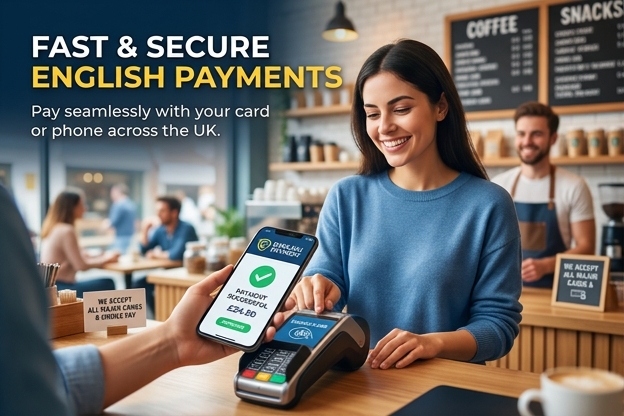
What We Learned at iGaming Payment From Using Employee Prepaid Cards
At iGaming Payment, we have worked closely with businesses that need fast, tightly monitored payments across distributed teams. In one internal operating cycle, we used prepaid employee cards to support event travel, partner meetings, and controlled software procurement across multiple staff functions. Before the rollout, too many small but urgent expenses were getting trapped between manager approvals and reimbursement delays. Finance had visibility, but not speed. Employees had responsibility, but not tools.
I remember one period when our operations team was preparing for a conference-heavy quarter. We had staff traveling on overlapping schedules, last-minute transport changes, and small venue-related purchases that could not wait for reimbursements. We issued role-based prepaid cards with travel caps, region-specific limits, and short expiry windows. The change was immediate. Employees stopped using personal cards, managers stopped handling repeated approval interruptions, and finance had cleaner transaction records at the end of each week.
In another case, I worked with our team on virtual prepaid cards for online subscriptions and short-term vendor testing. We assigned separate cards to each budget owner instead of allowing shared credentials. That single choice made reconciliation far easier. When one trial service auto-renewed unexpectedly, we identified the owner within minutes and shut down the spend path without affecting other teams. The lesson was simple: prepaid cards are most effective when ownership is unmistakable.
Those experiences shaped how we think about program design. The technology matters, but the operating model matters more. Clear purpose, small balances, visible ownership, and regular review beat broad access every time.
Trends Shaping Prepaid Spend Management Through 2026
The prepaid card category is maturing quickly. It is no longer just a stopgap for companies that cannot issue credit cards broadly. It is becoming part of a smarter spend architecture.
Just-in-time funding
Instead of keeping idle balances on cards, more businesses are moving toward instant top-ups at the moment of approval. This reduces dormant funds and improves treasury control.
Virtual-first issuance
For software subscriptions, online ads, freelance platforms, and remote purchasing, virtual cards are often the first choice. They are faster to issue, easier to replace, and easier to isolate by merchant or campaign.
Tighter compliance automation
According to Deloitte’s 2025 finance trends coverage, finance leaders continue to invest in automation that improves controls and reduces manual reconciliation work. Prepaid programs increasingly plug into those systems, using transaction rules, receipt capture, and exception workflows to cut administrative effort.
Employee experience as a control lever
There is a growing recognition that good controls do not need to feel punitive. When employees get fast access to approved funds and a simple process for documenting spend, policy compliance usually improves. Friction and ambiguity create more policy breaches than most finance teams admit.
Choosing the Right Program Structure for Your Business
There is no single best prepaid model. The right setup depends on your company’s purchasing patterns, risk tolerance, and management capacity. A startup with ten travelers may need something very different from a multi-location operator with 200 field staff.
For most businesses, the strongest structure includes:
- Named cards rather than shared cards whenever possible
- Separate card pools by use case
- Low default balances with quick reload capability
- Automated alerts for unusual or declined activity
- Monthly policy reviews tied to actual transaction data
If you are evaluating providers, ask deeper questions than fees alone. Look at card controls, integration quality, support responsiveness, international coverage, settlement timing, and reporting flexibility. A low-cost provider that creates manual cleanup for finance may be the more expensive option in practice.
Closing Thoughts
Business prepaid cards work because they solve a real operational tension: employees need buying power, and finance needs control. When structured well, they reduce reimbursement friction, improve visibility, and limit unnecessary risk. When structured poorly, they simply move old problems into a new payment tool.
At iGaming Payment, our recommended next steps are straightforward:
- Audit your current employee spending pain points and identify where reimbursements are slowing the business down.
- Start with one high-need use case, such as travel or field operations, rather than launching a company-wide card program on day one.
- Choose a prepaid framework with clear ownership, low default balances, and reporting that supports finance review in real time.
References
- Association for Financial Professionals, 2024 AFP Payments Fraud and Control Survey: Provided context on rising control priorities and fraud risk in business payments.
- PwC, 2024 Employee Financial Wellness research: Helped frame the employee impact of fronting business expenses with personal funds.
- The Nilson Report, 2025 payments industry reporting: Supported the broader trend toward card-based business payments.
- Deloitte, 2025 finance trends analysis: Informed the discussion on automation, compliance, and finance process modernization.
FAQ
What are business prepaid cards for employees?
-
They are company-funded payment cards loaded with a set balance for approved employee spending. Businesses use them to control travel, project, field, or allowance expenses without forcing employees to pay first and request reimbursement later.
Are Business Prepaid Cards for Employees: Benefits, Use Cases, and Best Practices suitable for small businesses?
-
Yes. Small businesses often benefit the most because they feel reimbursement friction more sharply and usually have fewer finance staff. A prepaid setup can help owners control cash, prevent overspending, and simplify recordkeeping without offering broad credit access.
How are prepaid employee cards different from corporate credit cards?
-
The main difference is funding and risk. Prepaid cards use funds loaded in advance, while corporate credit cards borrow against a credit line. In practice, that means prepaid cards usually offer:
Stronger up-front spending control
Lower exposure if a card is lost or misused
Less flexibility for very large or unpredictable purchases
What are the best use cases for employee prepaid cards?
-
They work especially well for controlled, repeatable spending such as:
Business travel and per diem budgets
Field operations, fuel, and site supplies
Remote work stipends and team allowances
Short-term software trials or digital ad budgets through virtual cards
What controls should a company set before issuing prepaid cards?
-
At a minimum, set card ownership, purpose, balance limits, merchant restrictions, receipt requirements, and offboarding rules. If your provider supports it, also add transaction alerts, velocity limits, and short expiry dates for temporary users or projects.
Can prepaid cards reduce expense fraud?
-
They can reduce certain kinds of fraud and misuse because available funds are limited and cards can be restricted by merchant type or user. They do not remove fraud risk entirely, so companies still need policy enforcement, receipt review, and regular exception reporting.