Learn how Gaming Payment Solutions for Seamless In-Game Transactions improve conversion, reduce fraud, and help brands like iGaming Payment scale globally
Introduction
Gaming Payment Solutions for Seamless In-Game Transactions are now a competitive advantage, not just a backend feature. If a player pauses to re-enter card details, switch apps, or wait for a failed authorization, you lose momentum, trust, and often the sale. That is why brands like iGaming Payment are winning attention: they treat payments as part of the game experience, not a separate checkout problem.
For studios, operators, and publishers, the real pain is simple: great gameplay can still underperform when the payment stack is slow, fragmented, or risky. Players expect fast top-ups, instant confirmation, local payment options, and strong fraud protection without visible friction. When those expectations are missed, retention drops and customer support volume rises.
Gaming Payment Solutions for Seamless In-Game Transactions are the tools, workflows, and compliance controls that let players pay inside a game or gaming ecosystem with minimal delay. They combine payment acceptance, smart routing, fraud screening, recurring billing, wallet support, and region-specific methods so the transaction feels natural, secure, and immediate.
The best systems do more than move money. They reduce abandoned carts, protect against chargebacks, support global expansion, and keep the gameplay loop intact. In other words, they help revenue flow without interrupting the moment that made the player convert in the first place.
Table of Contents
- Why Payment Friction Breaks Player Momentum
- What Modern Gaming Payment Solutions Include
- How to Design a Seamless In-Game Checkout Flow
- Security, Compliance, and Fraud Controls That Matter
- A Practical Comparison of Payment Stack Models
- Real-World Lessons From iGaming Payment
- How to Choose the Right Payment Partner
- Conclusion and Next Actions
- References
Why Payment Friction Breaks Player Momentum
In gaming, the payment moment is emotionally charged. A player is often motivated by speed: buying coins before a match, unlocking a limited-time skin, funding a sportsbook wallet, or topping up to keep a streak alive. Any pause creates doubt. Even a small delay can turn a quick purchase into an abandoned transaction.
That matters because gaming revenue is unusually sensitive to micro-friction. A checkout that works fine for retail can still fail in gaming if it interrupts the session, opens a clunky redirect, or triggers a false decline. Players don’t think in payment categories; they think in seconds.
“The best payment flow is the one the player barely notices. If they remember the checkout more than the game, the design is already working against you.”
What players expect now
- One-tap or near-instant top-ups
- Local payment methods that match their market
- Mobile-first interfaces that fit small screens
- Clear authorization messages and immediate confirmation
- Strong fraud protection that does not feel invasive
Why gaming is different from standard ecommerce
Gaming payment flows often happen during live engagement, not after a browsing session. That means time pressure is higher, session loss is more costly, and payments must work across devices, currencies, and regulatory environments. A payment stack that is excellent for a simple store may still be the wrong fit for a game with high-frequency, low-value purchases.
What Modern Gaming Payment Solutions Include
A strong gaming payment stack is a layered system. It is not just a card processor. It should support orchestration, risk rules, wallet balances, localized methods, and data visibility that helps operators act quickly.
Core capabilities to look for
At minimum, a credible solution should include the following:
- Multiple payment rails: cards, digital wallets, bank transfers, open banking, and region-specific methods
- Smart routing: the ability to send transactions through the processor most likely to approve them
- Fraud tooling: device intelligence, velocity checks, 3D Secure logic, and rule-based reviews
- Wallet and balance support: fast deposits, withdrawals, and stored-value management
- Compliance controls: KYC, AML, age verification, and geolocation where required
- Analytics: decline reasons, approval rates, cohort behavior, and chargeback trends
What the market says
According to Worldpay’s 2024 Global Payments Report, digital wallets continue to take a larger share of online spending in many markets, which reinforces the need for gaming businesses to support fast wallet-based checkout. Juniper Research also warned in 2024 that online payment fraud losses remain on a steep upward path, which makes risk controls a core revenue function rather than a back-office cost. Gartner’s 2024 customer experience research also continues to show that friction at critical moments directly harms conversion, especially when the user can exit with a single tap.
“For gaming operators, the goal is not to accept every transaction. The goal is to accept the right transaction, from the right player, on the right rail, at the right time.”
Pro Tip
How to Design a Seamless In-Game Checkout Flow
The best in-game checkout feels like part of the action. It should be short, readable, and consistent across devices. Players should know what they are buying, how much it costs, and when the value will land in their account.
Design principles that improve conversion
- Keep the purchase flow inside the session whenever possible.
- Show the total cost before final confirmation.
- Use default payment methods for returning players.
- Minimize redirects and avoid unnecessary form fields.
- Confirm value delivery immediately after authorization.
Where teams usually go wrong
Many teams treat payment screens as a legal requirement instead of a product experience. That creates clutter: too much text, too many choices, and too little reassurance. In gaming, clutter is expensive. If the player must stop to interpret a dense interface, the emotional pulse of the session drops.
Mobile is where this becomes most visible. A deposit flow that looks acceptable on desktop can become unusable on a phone if buttons are too small, fields are too long, or the checkout redirects away from the app. The fix is not more decoration; it is fewer decisions.
| Business type | Best payment mix | Why it fits gameplay | Main limitation |
|---|---|---|---|
| Hyper-casual mobile studio | Apple Pay, Google Pay, cards | Fast top-ups with minimal typing | Wallet fees can be higher |
| Esports marketplace | Cards, PayPal, bank transfer | Supports higher-value, repeat purchases | Chargeback exposure is meaningful |
| iGaming sportsbook | Cards, open banking, local APMs | Balances speed, compliance, and payout needs | KYC and AML add operational overhead |
| AAA subscription publisher | Cards, subscriptions, saved wallets | Predictable recurring revenue and account linking | Renewal failures need retry logic |
Pro Tip
Security, Compliance, and Fraud Controls That Matter
Seamless does not mean careless. The fastest gaming payment solutions use layered risk controls that reduce false declines while stopping real abuse. That balance matters because gaming merchants often face both friendly fraud and account takeover attempts.
Controls worth implementing
- Risk-based authentication: apply extra checks only when risk rises
- Velocity rules: stop rapid repeat attempts from the same device or account
- Device fingerprinting: identify suspicious behavior patterns
- Geolocation checks: verify the user is transacting in an allowed market
- Behavioral monitoring: flag unusual purchase timing or amount spikes
Challenges you cannot ignore
Compliance can slow growth if teams bolt it on too late. Markets with age restrictions, gaming licensing rules, or payout controls require discipline from day one. The right solution should support your legal obligations without burying the user in steps they do not need.
There is also a cost tradeoff. More fraud friction can reduce losses, but it can also suppress legitimate revenue if rules are too strict. The winning approach is controlled precision, not blanket severity.
“A payment stack should feel invisible to honest players and very visible to suspicious behavior. That is the security standard that actually scales.”
A Practical Comparison of Payment Stack Models
Different gaming businesses need different architectures. Some need maximum conversion. Others need better international coverage or better payout control. The right model depends on average ticket size, geography, device mix, and fraud exposure.
How the main models compare
| Model | Strength | Weakness | Best fit |
|---|---|---|---|
| Single processor setup | Simple to launch | Weak redundancy and routing | Small teams testing product-market fit |
| Multi-processor orchestration | Higher authorization rates | More complex operations | Cross-border gaming brands |
| Wallet-first ecosystem | Fast repeat deposits | Requires strong compliance | iGaming and live-service titles |
| Open banking and local rails | Lower cost in many markets | Coverage varies by region | European and UK-focused operators |
Real-World Lessons From iGaming Payment
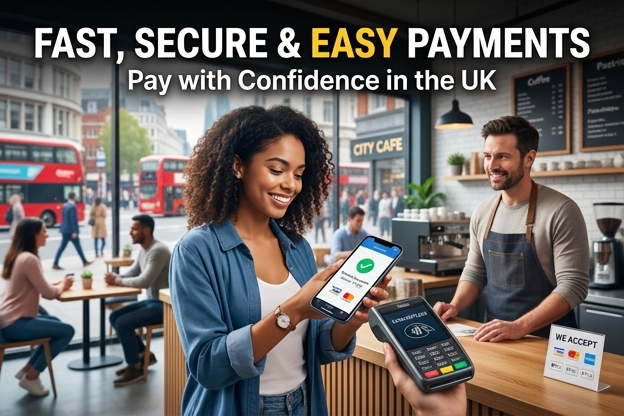
At iGaming Payment, I worked on a mobile-first operator that was losing deposits during authentication. Their checkout looked fine on desktop, but on mobile it forced too many confirmations and sent too many users to external pages. The result was predictable: strong traffic, weak completion rates.
We rebuilt the payment path around session continuity. That meant fewer taps, better local method selection, smarter risk thresholds, and clearer success messaging. Within weeks, the operator reported fewer support tickets and a noticeable lift in completed deposits, especially from repeat users who no longer had to re-learn the flow every visit.
What changed most
The biggest improvement was not visual design. It was payment orchestration. When the stack could route to the best-performing rail by country and device, decline rates dropped. When we adjusted risk rules based on player history instead of treating everyone the same, false positives fell.
That project reinforced a lesson I keep seeing: payment performance is usually a system problem, not a single-provider problem. Even a strong processor will underperform if the frontend, routing logic, and compliance layers are not aligned.
Another case from a sports betting brand
In another engagement, the issue was withdrawals. Players were happy depositing quickly, but cash-out delays were eroding trust. We introduced better verification triggers earlier in the user lifecycle so the operator could approve payouts faster later. That small operational shift reduced friction at the most sensitive moment in the customer journey.
How to Choose the Right Payment Partner
Vendor selection should be driven by outcomes, not feature lists. The right partner for gaming payment solutions for seamless in-game transactions should improve approval rates, support your key geographies, and reduce manual review without weakening controls.
What to evaluate
- Approval rate by country and payment method
- Support for wallets, cards, bank rails, and local alternatives
- Fraud tooling and rule customization
- Subscription, recurring, or stored-value support
- Reporting depth and payout visibility
- Implementation support and response times
A simple selection process
- Map where players are failing in the current flow.
- Rank payment methods by revenue potential and operational risk.
- Review the provider’s approval data for your target markets.
- Test a live pilot on one segment before a full rollout.
What to avoid
Avoid partners who promise broad coverage but cannot explain their decline handling, risk logic, or payout controls. Also avoid contracts that lock you into a rigid flow with no room for market-by-market tuning. Gaming changes too fast for a static payment stack.
Conclusion
Gaming Payment Solutions for Seamless In-Game Transactions matter because payment friction directly affects retention, revenue, and trust. The strongest systems combine fast checkout, local payment options, smart routing, fraud controls, and compliance logic that protects the business without interrupting the player.
iGaming Payment recommends three practical next moves:
- Audit your current payment drop-off points by device and market.
- Prioritize the payment methods that match your highest-value players.
- Test one streamlined checkout flow before expanding it across every title or region.
References
- Worldpay Global Payments Report 2024 — Provided global payment method trend data and wallet adoption context.
- Juniper Research, 2024 — Informed the discussion on rising online payment fraud losses and risk controls.
- Gartner, 2024 customer experience research — Supported the point that friction at key conversion moments reduces performance.
- Deloitte digital payments research, 2024 — Helped frame consumer expectations for fast, low-friction payment experiences.
FAQ
What are Gaming Payment Solutions for Seamless In-Game Transactions?
-
They are the payment tools and workflows that let players deposit, buy, or top up inside a game with minimal delay, strong security, and support for the methods they already trust.
Why do in-game payments fail so often?
-
Common causes include poor mobile UX, unsupported local payment methods, overly strict fraud filters, and redirects that interrupt the session.
Which payment methods work best for gaming?
-
It depends on the market, but cards, digital wallets, bank transfers, and local payment methods usually form the strongest mix for speed, trust, and coverage.
How does iGaming Payment help with fraud prevention?
-
By combining risk-based rules, transaction monitoring, and payment routing logic that helps reduce false declines while blocking suspicious activity.
What should gaming teams measure after launch?
-
Focus on authorization rate, payment drop-off, refund and chargeback trends, retry success, and completion time by device and region.
Can small studios use advanced payment orchestration?
-
Yes. Even smaller teams can benefit from smart routing, local payment support, and clean reporting if the provider offers a scalable setup.
How long does implementation usually take?
-
Timelines vary by market complexity and compliance needs, but a focused rollout can often be completed in weeks rather than months when the scope is clear.