
Learn how a gambling merchant account works, why approval is hard, and how iGaming Payment helps high risk operators improve processing and reduce fraud
Introduction
If you run an online casino, sportsbook, poker room, fantasy platform, or affiliate program tied to wagering, getting approved for payments is rarely the easy part. Banks see elevated chargeback exposure, regulatory complexity, AML pressure, and cross-border risk long before they see your revenue model. That is exactly why a gambling merchant account: The Ultimate Guide to High-Risk Payment Processing & Approval matters to operators that want stable deposits, clean settlements, and fewer surprise account freezes.
iGaming Payment works with gambling and betting brands that need more than a generic payment gateway. Operators in this space need underwriting that understands source of funds controls, responsible gaming requirements, licensing differences by market, and the reality that card acceptance, alternative payment methods, and fraud tools have to work together or revenue leaks fast.
A gambling merchant account is a high-risk merchant account designed for licensed gaming-related businesses that process card payments, digital wallets, bank transfers, and other deposit methods. It gives a gambling operator the banking, acquiring, and compliance infrastructure needed to accept player payments while managing chargebacks, fraud, and regulatory scrutiny.
Without the right setup, even strong brands can face rolling reserves, delayed payouts, sudden termination, or poor approval rates. With the right setup, operators can improve authorization performance, reduce disputes, and build a payments stack that supports long-term growth.
Table of Contents
- What a gambling merchant account actually does
- Why gambling businesses are classified as high risk
- How underwriting and approval really work
- The payment methods that matter most for iGaming
- Risk management, fraud prevention, and chargeback control
- Comparing processing setups by gambling business type
- A real-world case study from iGaming Payment
- How to choose the right provider
- Common mistakes that delay approval or trigger account reviews
- What smart operators should do next
What a gambling merchant account actually does
A gambling merchant account is not just a bank account with a gateway attached. It is a specialized acquiring relationship built for businesses that face stricter monitoring than standard e-commerce. The account allows you to accept deposits, process recurring or repeat player transactions, handle refunds and withdrawals where permitted, and settle funds through an acquiring bank that is willing to support gambling activity.
In practical terms, the setup usually includes:
- A high-risk acquiring bank or sponsor bank
- A payment gateway with gambling-friendly routing rules
- Fraud screening and velocity controls
- Chargeback monitoring and representment support
- KYC, AML, and geo-restriction controls
- Support for cards, wallets, bank transfers, and local payment methods
The best setups are built around conversion and survivability at the same time. You need players to deposit quickly, but you also need your processor to stay comfortable with your traffic quality, dispute profile, and licensing footprint.
Why gambling businesses are classified as high risk
“High risk” does not automatically mean “bad business.” It means banks and payment providers expect more volatility, more compliance work, and more reputational exposure. Gambling checks every one of those boxes.
Here are the main reasons:
- Chargebacks are higher than average. Players may dispute transactions after losses, forget descriptor names, or challenge deposits made during emotional moments.
- Regulatory rules vary by jurisdiction. A lawful model in one state or country may be prohibited or heavily restricted elsewhere.
- Fraud pressure is constant. Account takeovers, bonus abuse, synthetic identities, card testing, and collusion are common threats.
- Cross-border complexity adds friction. BIN country, player location, licensing, and local acquiring all affect approval rates.
- AML obligations are significant. Operators must monitor unusual deposits, source of funds patterns, structuring, and withdrawal behavior.
“For gambling merchants, the payments problem is rarely one issue. It is usually the interaction between compliance, fraud, acquiring geography, and chargebacks. Operators that treat payments as a strategic function outperform those that treat it as a plugin.”
That view matches current market conditions. Juniper Research reported in 2024 that online payment fraud losses for merchants worldwide are expected to exceed hundreds of billions of dollars cumulatively over the next several years. High-risk sectors feel that pressure earlier and more intensely than mainstream retail.
How underwriting and approval really work
Approval is where many gambling brands get stuck. Some assume that a license alone guarantees acceptance. It does not. Underwriters are evaluating whether your business can process safely, stay compliant, and maintain acceptable dispute ratios over time.
Most providers review the following before issuing terms:
- Corporate documents and beneficial ownership information
- Gaming license status and jurisdictions served
- Website content, terms, privacy policy, and responsible gaming pages
- AML, KYC, and fraud procedures
- Historical processing statements and chargeback ratios
- Traffic sources, affiliate model, and promotional practices
- Average ticket size, monthly volume, and expected growth
- Payout policy, reserve capacity, and banking history
According to Visa’s 2024 risk guidance for merchants and acquirers, dispute monitoring remains one of the clearest early warning signals for acquiring stress. For gambling merchants, that means your approval package must show not just revenue potential, but also operational discipline.
What speeds up approval
If you want faster approval, present your business the way a strong CFO and compliance lead would present it. That means clean documents, clear licensing, realistic forecasts, and honest disclosure about traffic and markets.
- Prepare a complete underwriting file before applying.
- Separate licensed and gray-market activity; do not blur them.
- Document chargeback controls, fraud rules, and player verification flow.
- Show banking history and processing stability where available.
- Explain your refund and withdrawal policy in plain language.
- Use a provider experienced in gambling rather than a generalist PSP.
The payment methods that matter most for iGaming
Credit and debit cards still matter, but relying on cards alone is risky in gambling. Issuer declines, local restrictions, and customer preference vary too much by market. A strong gambling merchant account strategy includes payment diversity.
The most effective mix usually includes:
- Card processing for broad reach and instant deposits
- Digital wallets for speed and user trust
- Open banking or bank transfer rails for lower friction in supported regions
- Prepaid and voucher methods for privacy-conscious players
- Local APMs that align with regional habits
A 2024 report from Worldpay on global payment trends showed that consumer preference continues to move toward localized payment methods and wallets across many digital sectors. For gambling operators, this has a direct effect on deposit completion rates. If the player does not see a trusted local method, they often leave before funding.
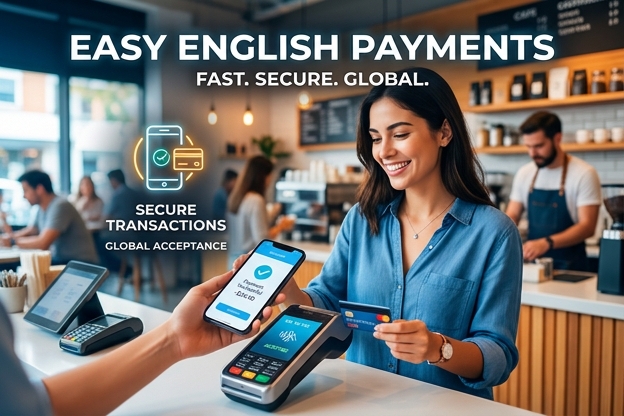
The deeper point is this: payment method strategy is also a risk strategy. Bank transfer methods may reduce some chargeback exposure. Cards may improve first-time conversion. Wallets may increase trust. The ideal stack balances authorization, compliance, and dispute cost rather than chasing only one metric.
Risk management, fraud prevention, and chargeback control
Most gambling merchants focus hard on getting approved, then lose margin because they underinvest in risk after launch. That is a mistake. Fraud tools and dispute controls are what keep a good account from becoming a troubled account.
TransUnion’s 2024 fraud findings noted that gaming and related digital sectors remain frequent targets for account creation abuse, account takeovers, and payment fraud attempts. That fits what operators see every day: the attackers are organized, fast, and willing to exploit bonuses, promotions, and weak identity checks.
Controls that matter most
- Device fingerprinting and IP intelligence
- Velocity checks on deposits, cards, and accounts
- Behavioral analytics during login and cashier use
- Strong KYC at registration and before withdrawal
- 3D Secure where it improves liability posture without crushing conversion
- Clear billing descriptors and support response times
- Automated alerts for unusual deposit-to-withdrawal patterns
Chargeback control also starts before the dispute. Make descriptors recognizable. State bonus terms clearly. Confirm transaction success visibly. Send deposit receipts. Review refund requests quickly. Many disputes happen because the merchant looked confusing or unreachable, not because the transaction was fraudulent.
“The cheapest chargeback is the one prevented by clear communication. In gambling, support visibility and billing clarity are not cosmetic issues. They are risk controls.”
Comparing processing setups by gambling business type
Not every gambling model should use the same payments structure. Ticket size, player behavior, licensing scope, and cash-out patterns all change the underwriting profile.
| Business Type | Typical Risk Pattern | Best Payment Mix | Underwriting Priority |
|---|---|---|---|
| Online Sportsbook | Event-driven volume spikes, promo abuse, rapid deposit cycles | Cards, wallets, instant bank transfer | Traffic quality and bonus controls |
| Online Casino | Higher repeat deposits, elevated dispute potential, AML scrutiny | Cards, e-wallets, local APMs | Chargeback profile and KYC maturity |
| Poker Platform | Collusion concerns, account verification pressure, frequent balances | Cards, wallets, bank rails | Player monitoring and source-of-funds controls |
| Fantasy Sports or Skill Gaming | Jurisdictional ambiguity and consumer confusion over model | Cards, ACH, wallets | Legal positioning and state-by-state compliance |
This is why template pricing and generic onboarding often fail in the gambling sector. A processor that supports casino traffic may still struggle with sports betting seasonality or poker-related monitoring requirements.
A real-world case study from iGaming Payment
I worked with a mid-sized sportsbook that had solid player growth but a painful pattern of deposit declines in key markets. The brand had a license, a clean front-end experience, and good marketing. On paper, the business looked healthy. In practice, it was relying too heavily on one acquiring route and one card-focused checkout flow. Approval rates were inconsistent, and reserve pressure started to build.
At iGaming Payment, we reviewed their traffic mix, issuer decline patterns, dispute data, and cashier drop-off points. We found two major problems. First, the payment stack was not localized enough for the markets that generated the highest intent. Second, the operator’s descriptor and post-deposit messaging were creating avoidable confusion that later turned into disputes. We rebuilt the setup with alternative routing, local payment options, and clearer player communications. Within a few months, approval performance improved, support tickets tied to payment confusion fell, and the merchant’s risk profile became easier to defend during acquiring reviews.
In another engagement, I saw a casino affiliate network move into direct operator processing without adjusting its compliance architecture. The founders were experienced marketers, but the underwriting file lacked depth. Their AML documentation was too light, and their withdrawal rules were not clearly presented. We helped reframe the application, tightened policy language, documented their player verification workflow, and aligned their operational narrative with what underwriters actually need to see. The result was not just approval. It was approval on terms the business could realistically scale with.
How to choose the right provider
The wrong provider can cost you more than a higher processing rate ever will. Delayed settlements, unnecessary reserves, poor communication during risk reviews, and weak local method coverage can damage both growth and retention.
What to ask before signing
- Which gambling sub-verticals do you actively support?
- Which licensed jurisdictions can you board today?
- What are your reserve expectations and how are they reviewed?
- How do you handle chargeback representment and alert integrations?
- What local payment methods are available by target country?
- Can you offer multi-acquirer routing or failover support?
- What reporting do we get on approvals, declines, and fraud outcomes?
Look for a partner that can explain why a route, reserve, or rule is recommended. Good providers educate. Weak providers hide behind vague risk language.
Common mistakes that delay approval or trigger account reviews
A surprising number of gambling merchants create their own approval problems. Some issues are obvious, like incomplete licensing information. Others are subtler and surface only after processing starts.
- Applying with a website that lacks clear responsible gaming, KYC, or refund disclosures
- Using affiliate traffic with weak compliance screening
- Serving restricted regions without airtight geofencing
- Overpromising volume and underexplaining risk controls
- Ignoring descriptor clarity and customer support responsiveness
- Letting disputes rise for multiple cycles before escalating internally
There is also a strategic mistake: merchants often chase the fastest approval instead of the most durable approval. A processor that says yes too quickly may later impose painful restrictions once real traffic starts flowing. Sustainable processing is usually built through stronger documentation, better fit, and more honest planning at the start.
What smart operators should do next
If you are serious about scaling a gaming brand, payments should sit next to compliance and acquisition as a board-level topic. A gambling merchant account is not just a cost center. It is a revenue control point, a risk buffer, and often the difference between stable growth and recurring disruption.
iGaming Payment typically recommends three immediate actions:
- Audit your current payments stack by market, method, approval rate, and dispute source.
- Prepare a complete underwriting package before you need a new MID, not after a provider starts asking hard questions.
- Build redundancy with the right mix of acquiring routes and local payment methods so one issue does not stall the whole business.
Operators that act early usually negotiate from strength. Operators that wait until declines spike or reserves increase are forced into reactive decisions with fewer options.
References
- Juniper Research, 2024 online payment fraud research — provided industry context on the rising scale of merchant fraud losses worldwide.
- Visa, 2024 merchant and acquirer risk guidance — informed the discussion around dispute monitoring, underwriting scrutiny, and account stability.
- Worldpay, 2024 global payments trends research — supported the analysis on local payment preferences and the growing importance of wallets and alternative methods.
- TransUnion, 2024 fraud reporting — reinforced the section on gaming-sector exposure to account abuse and digital fraud attempts.
FAQ
What is a gambling merchant account?
-
A gambling merchant account is a high-risk payment processing account built for licensed betting, casino, poker, fantasy, and related gaming businesses. It allows operators to accept player deposits while managing stricter underwriting, fraud checks, AML requirements, and chargeback exposure than a standard retail merchant account.
Why is gambling payment processing considered high risk?
-
Gambling is labeled high risk because banks and acquirers expect more operational and regulatory pressure than in most industries. The main reasons include:
-
Higher-than-average chargeback rates
-
Frequent fraud and bonus abuse attempts
-
Jurisdiction-specific licensing rules
-
Strong AML, KYC, and responsible gaming obligations
How can I improve approval odds for gambling merchant account: The Ultimate Guide to High-Risk Payment Processing & Approval?
-
Approval improves when you present a complete, credible underwriting package. Focus on these areas:
-
Keep licensing and company documentation current
-
Show clear AML, KYC, fraud, and chargeback controls
-
Make your website terms, responsible gaming policy, and refund policy easy to review
-
Work with a provider that has direct experience in iGaming rather than a general e-commerce processor
What payment methods should a gambling operator offer?
-
Most successful operators combine several methods instead of relying only on cards. A practical mix often includes:
-
Credit and debit cards for broad access
-
E-wallets for speed and player trust
-
Instant bank transfer or open banking options where supported
-
Local alternative payment methods for better regional conversion
Do gambling merchant accounts usually require reserves?
-
Often, yes. Because gambling is a high-risk vertical, acquirers may require rolling reserves or other collateral protections, especially for new merchants, fast-growth brands, or businesses with thin processing history. Strong compliance, low disputes, and stable performance can help improve terms over time.
How long does approval usually take?
-
It depends on the licensing structure, target markets, document quality, and the provider’s appetite for your sub-vertical. A well-prepared operator with complete underwriting materials may move much faster than a business that submits incomplete policies, unclear ownership details, or weak traffic explanations.