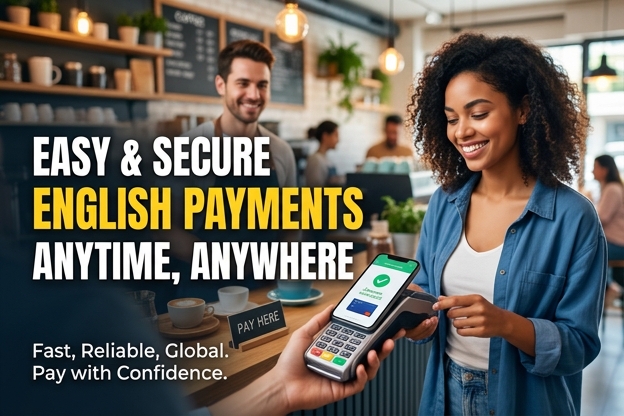
Learn how loyalty programs increase customer retention and revenue with proven strategies, program types, KPIs, risks, and expert insights from iGaming Payment
Introduction
If repeat purchases feel unpredictable, your margins are under pressure, and paid acquisition keeps getting more expensive, you do not have a traffic problem alone. You likely have a retention problem. That is why loyalty programs: The Complete Guide to Boosting Customer Retention & Revenue has become such an important topic for operators, retailers, subscription brands, and platform businesses that need steady lifetime value instead of one-off transactions.
At iGaming Payment, we have seen the same pattern across multiple markets: brands often spend heavily to win a customer, then fail to build a reason for that customer to stay, spend again, and advocate. A well-built loyalty strategy changes that equation by turning routine transactions into an ongoing relationship supported by rewards, data, personalization, and better payment experiences.
Loyalty programs are structured systems that reward customers for repeat engagement, purchases, referrals, or high-value behavior. Done well, they increase retention, average order value, and customer lifetime value while giving brands better first-party data for smarter marketing and service decisions.
The key point is simple: a loyalty program is not just a points engine. It is a retention framework that aligns incentives, customer psychology, and business economics so that customers feel recognized and brands earn more profitable repeat revenue.
Table of Contents
- Why loyalty programs matter more than ever
- How loyalty programs actually drive retention and revenue
- Types of loyalty programs and when to use each one
- The design elements that separate strong programs from forgettable ones
- Why payments, data, and personalization shape loyalty results
- Common risks, costs, and limits brands need to address
- A practical case study from iGaming Payment
- How to launch or improve a loyalty program
- What is changing in loyalty through 2026
Why loyalty programs matter more than ever
Customer acquisition is still necessary, but it is no longer enough. Media costs are volatile, privacy changes have reduced targeting precision, and consumers have more options than ever. That means retention is now one of the clearest paths to durable growth.
According to Bain & Company, even a modest increase in retention can have an outsized effect on profit because repeat customers tend to buy more often, cost less to serve, and refer others at a higher rate. Separately, a 2024 report by Deloitte highlighted that consumers increasingly expect personalized offers and meaningful value rather than generic discounts. In other words, customers are not only open to loyalty programs; they are judging brands by how relevant those programs feel.
For leadership teams, loyalty should not sit only under marketing. It affects revenue forecasting, pricing strategy, payment flows, CRM, analytics, customer service, and compliance. When a loyalty program is treated as a business system rather than a campaign, it becomes far more valuable.
How loyalty programs actually drive retention and revenue
Loyalty works because it combines economics with behavior. Customers respond to progress, status, exclusivity, convenience, and recognition. A strong program turns those triggers into repeat actions that are profitable for the business.
These are the main revenue levers:
- Higher purchase frequency: customers return sooner when there is a visible reward path.
- Larger basket size: thresholds such as bonus tiers or milestone rewards encourage bigger purchases.
- Lower churn: emotional attachment and accumulated benefits make switching less attractive.
- Better first-party data: loyalty members provide clearer behavior signals for segmentation and personalization.
- More referrals and advocacy: VIP treatment and referral incentives increase organic acquisition.
According to a 2024 report from McKinsey, companies that personalize effectively can improve revenue and retention through more relevant engagement across channels. Loyalty programs become one of the easiest ways to operationalize that personalization because they create a direct exchange of value: customers share behavior and preferences, and brands return relevance and rewards.
The strongest programs also reduce friction. If customers can enroll quickly, see progress clearly, and redeem rewards without confusing restrictions, the program starts to feel like part of the product experience instead of a marketing add-on.
“The best loyalty programs do not bribe customers to come back. They give customers a compelling reason to build a longer relationship with the brand.”
Types of loyalty programs and when to use each one
Not every loyalty structure fits every business model. The right choice depends on margin profile, purchase cadence, product category, and customer motivation.
Points-based programs
This is the most common format. Customers earn points from purchases or actions and exchange them for rewards. It works well when transactions are frequent and easy to quantify. Retail, food delivery, casual gaming, and direct-to-consumer commerce often benefit from this structure.
Tiered programs
Customers move up based on spend, frequency, or engagement. Benefits often include better rewards, faster service, exclusive access, or status recognition. This format works particularly well when status matters and there is a meaningful value gap between mid-value and high-value customers.
Paid membership programs
Customers pay for enhanced benefits such as free shipping, exclusive offers, premium support, or special access. This can generate immediate revenue while also increasing repeat usage, but only when the value proposition is crystal clear.
Value-based programs
Instead of focusing only on discounts, the brand ties loyalty to mission, community, or impact. This is often effective for purpose-driven brands where identity and values influence purchase behavior.
Hybrid programs
Many modern brands combine points, tiers, gamification, and exclusive experiences. Hybrid systems can be highly effective, but they require discipline. Complexity that feels exciting internally can feel exhausting to customers externally.
The design elements that separate strong programs from forgettable ones
The difference between a program customers love and one they ignore usually comes down to structure, clarity, and relevance. These are the core design questions every brand should answer before launch.
What behavior are you rewarding
Rewarding revenue alone is often too narrow. Brands should decide whether they also want to reward referrals, app usage, reviews, consecutive months active, wallet share, or lower-cost payment behavior. The chosen actions should support business goals, not just create noise.
How fast can customers feel progress
If customers need months to earn a basic reward, enthusiasm fades early. Early momentum matters. A well-placed welcome bonus or first-milestone reward can dramatically improve adoption.
How clear is the value exchange
Customers should understand three things immediately: how to join, how to earn, and how to redeem. If your legal terms are longer than your customer promise, the program likely needs simplification.
How relevant are the rewards
Not all rewards should be discounts. Depending on the vertical, customers may value faster withdrawals, exclusive content, premium support, access to events, cash-back, personalized offers, birthday perks, or early feature access. The best reward is the one the customer actually wants.
How visible is status and progress
People respond strongly to visible advancement. Progress bars, tier trackers, milestone notifications, and clear benefit summaries can materially improve engagement because they make loyalty tangible.
| Business Type | Best Loyalty Model | Primary Reward | Revenue Goal |
|---|---|---|---|
| Direct-to-consumer beauty brand | Points + referrals | Discounts, samples, early access | Increase repeat orders and UGC |
| Online sportsbook or casino platform | Tiered VIP program | Cash-back, faster support, exclusive promos | Raise lifetime value and reduce churn |
| Subscription streaming service | Milestone-based retention rewards | Bonus content, bundle upgrades | Lower monthly cancellations |
| Quick-service restaurant chain | App-based points program | Free items and targeted offers | Increase visit frequency and app share |
Why payments, data, and personalization shape loyalty results
Many brands talk about loyalty as if it starts and ends with offers. In practice, payment experience and data quality often determine whether the program succeeds.
At iGaming Payment, we pay close attention to the connection between payment behavior and loyalty behavior. If deposits fail, withdrawals are delayed, or preferred methods are missing, no points system can fix the frustration. Payment experience is part of retention.
Good loyalty programs use transaction data responsibly to build smarter segments. For example:
- High-frequency, low-value users may respond best to milestone rewards.
- High-value customers often care more about service levels and exclusivity than small discounts.
- Dormant users may need a personalized reactivation offer tied to their past preferences.
- Customers using lower-friction payment methods may convert more consistently and deserve tailored journeys.
According to Salesforce research published in recent years, customers increasingly expect brands to understand their needs and preferences. That expectation raises the bar. Sending the same offer to everyone is not loyalty; it is broadcasting.
“Personalization without operational simplicity creates noise. Loyalty works best when the customer feels the offer was meant for them and can act on it in seconds.”
Common risks, costs, and limits brands need to address
Loyalty programs are powerful, but they are not magic. There are real tradeoffs and execution risks.
Margin erosion
If rewards are too generous or too broad, the brand may subsidize behavior that would have happened anyway. This is especially risky when finance is not involved in program modeling from the start.
Reward inflation
Some brands keep adding incentives because early excitement fades. Over time, customers become trained to expect constant offers, which weakens full-price behavior and reduces perceived brand value.
Complexity overload
Rules, exclusions, and hard-to-calculate point values create distrust. If customers need a calculator to understand your program, you are already losing them.
Fraud and abuse
Referral fraud, account farming, bonus abuse, and multi-account behavior can distort economics fast. This is particularly relevant in gaming, fintech, travel, and promo-heavy verticals.
Privacy and compliance issues
Loyalty programs rely on customer data, which means consent management, data governance, and jurisdiction-specific requirements matter. This is not optional. Legal, compliance, and product teams should be involved early.
The healthiest view is this: loyalty should improve profitable retention, not just activity. More engagement is only good if the economics remain sound.
A practical case study from iGaming Payment
I worked with a fast-growing online gaming operator that had a familiar problem. Acquisition numbers looked strong, but repeat deposits after the first month were soft, VIP movement was inconsistent, and customer support kept hearing the same complaint: the platform felt transactional rather than rewarding. The operator had promotions, but not a true loyalty framework.
We started by mapping the journey around deposits, wagering behavior, payment preferences, and reward expectations. What stood out was that the user experience treated a first-time depositor and a loyal repeat customer almost the same. There was little visible progress, no meaningful milestone recognition, and not enough alignment between payment convenience and retention offers.
I recommended a tiered loyalty structure tied to net value, activity consistency, and preferred low-friction payment methods. With iGaming Payment supporting the payment side, the operator improved deposit reliability, shortened certain payout touchpoints, and connected loyalty messaging to the actual customer journey. Instead of sending broad bonus blasts, the brand began delivering segmented offers based on tenure, behavior, and tier status.
Within the following quarters, we saw stronger repeat deposit behavior, better movement into higher-value tiers, and noticeably healthier redemption patterns because rewards were more relevant. Just as important, customer feedback changed tone. Users were less likely to describe the experience as generic and more likely to mention progress, recognition, and ease.
On another engagement, I saw the opposite lesson. A brand launched an aggressive points program without proper fraud controls, clear tier logic, or realistic margin assumptions. Sign-ups looked great in the first weeks, but the team soon realized a large share of reward claims came from behavior with little long-term value. That experience reinforced a rule we follow at iGaming Payment: loyalty should be modeled as carefully as a payment product, because both can either protect profitability or weaken it.
How to launch or improve a loyalty program
If your current setup is underperforming, do not start by adding more rewards. Start by defining what the program must accomplish commercially and operationally.
- Set a primary outcome. Choose the main goal first: better retention, higher average order value, more referrals, lower churn, or increased wallet share.
- Segment your customer base. Separate first-time buyers, repeat customers, dormant users, and high-value accounts. One program can serve all of them, but not with identical messaging.
- Pick a simple earning logic. Customers should instantly understand how progress happens.
- Define rewards by customer motivation. Mix financial rewards with experiential and service-based benefits where relevant.
- Model the economics. Estimate cost per reward, expected lift, break-even thresholds, and fraud exposure before launch.
- Integrate payment and CRM data. Loyalty should reflect actual customer behavior, not just email engagement.
- Test and iterate. Run controlled experiments on reward thresholds, messaging, and redemption paths.
Metrics that matter most include repeat purchase rate, retention by cohort, average order value, active member rate, redemption rate, time to second purchase, customer lifetime value, and program cost as a percentage of incremental revenue.
One practical rule: if your team cannot explain the program in under 30 seconds, simplify it. Customers reward clarity.
What is changing in loyalty through 2026
Loyalty is moving beyond static points systems. The next phase is more contextual, more integrated, and more operationally disciplined.
Real-time personalization
Rewards will increasingly adjust based on behavior, timing, and channel. This makes offers more relevant, but it also raises expectations for data quality and decisioning speed.
Non-discount rewards
Brands are learning that service perks, exclusivity, faster access, community benefits, and premium experiences can outperform blanket discounts, especially for higher-value customers.
Payments as a loyalty signal
Payment preference, approval rate, speed, and withdrawal experience will become more central to loyalty design in gaming, fintech, travel, and subscription sectors. This is one of the areas where iGaming Payment sees the strongest future advantage for brands that think holistically.
Greater accountability from finance teams
As loyalty budgets grow, finance leaders will demand stronger proof of incrementality. Vanity metrics such as total enrollments will matter less than cohort retention, net revenue lift, and profit contribution.
Compliance-aware personalization
As privacy requirements evolve, loyalty programs will need better consent practices, data controls, and transparent value exchange. Trust will become part of the product.
Conclusion
Loyalty programs work when they are simple for customers, disciplined for operators, and closely tied to real behavior. The biggest gains usually come from better retention economics, clearer customer recognition, and stronger personalization supported by reliable payments and useful data.
For brands evaluating their next move, iGaming Payment recommends three actions:
- Audit your current journey to identify where payment friction, weak segmentation, or unclear rewards are hurting repeat behavior.
- Redesign around profitable actions so your program rewards behavior that improves lifetime value rather than just inflating activity.
- Test loyalty and payment improvements together because smoother transactions often lift retention more than bigger bonuses alone.
If your goal is long-term revenue quality rather than short-term spikes, loyalty deserves the same strategic attention as acquisition, pricing, and payments.
References
- Bain & Company: widely cited retention research showing that small retention gains can produce significant profit impact.
- Deloitte 2024 consumer and retail insights: highlighted growing demand for personalization and value-driven engagement.
- McKinsey 2024 personalization research: emphasized the revenue and retention upside of relevant, behavior-based customer experiences.
- Salesforce customer experience research: documented rising customer expectations for brands to understand preferences and tailor interactions.
- Gartner loyalty and customer experience analysis: informed industry thinking on value exchange, retention design, and measurement discipline.
FAQ
What are loyalty programs: The Complete Guide to Boosting Customer Retention & Revenue really about?
-
They are systems that reward repeat purchases, engagement, or advocacy in ways that improve retention and revenue. The real goal is not just handing out perks. It is creating a stronger customer relationship that raises lifetime value and reduces churn.
Which type of loyalty program works best for most brands?
-
It depends on purchase frequency, margins, and customer motivation. Common strong fits include:
Points-based models for frequent, lower-value transactions
Tiered programs for brands with clear VIP segments
Paid memberships for businesses that can offer ongoing premium value
Hybrid models when simplicity is still preserved
How do I measure whether a loyalty program is successful?
-
Track business outcomes, not just enrollments. The most useful metrics usually include:
Repeat purchase or repeat deposit rate
Retention by cohort
Average order value
Redemption rate
Customer lifetime value
Program cost versus incremental revenue
Can loyalty programs hurt profit margins?
-
Yes, if they are poorly designed. The biggest risks are:
Over-rewarding behavior that would have happened anyway
Running broad discounts instead of targeted incentives
Ignoring fraud and abuse controls
Creating a program so complex that customers disengage
Why does payment experience matter in loyalty strategy?
-
Because friction during checkout, deposits, or withdrawals damages trust and reduces repeat behavior. Smooth payments support retention by making it easier for customers to complete the actions that loyalty programs are trying to encourage.
How long does it take to see results from a loyalty program?
-
Early engagement signals can appear within weeks, especially enrollment and first redemption behavior. Stronger proof, such as retention lift or lifetime value improvement, usually takes a few customer cycles and is best measured through cohort analysis over several months.