Learn merchant acquiring meaning, how acquirers handle card payments, risk, settlement, and how the right setup can improve approvals and cash flow
Introduction
If you have ever compared payment providers and still felt unclear about merchant acquiring meaning, you are not alone. Merchants hear terms like acquirer, processor, gateway, settlement, MID, and chargebacks tossed around as if they mean the same thing. They do not. And when the wrong payment setup slows approvals, increases reserves, or creates avoidable declines, the cost shows up fast in revenue, customer trust, and cash flow.
That is where specialist guidance matters. iGaming Payment works with merchants that need more than a basic card-processing relationship, especially in regulated, high-risk, and fast-scaling sectors. The practical question is not just what merchant acquiring means in theory, but how acquiring affects approval rates, risk controls, payout timing, and long-term growth.
Merchant acquiring is the process by which a financial institution, usually called an acquirer or acquiring bank, enables a business to accept card payments from customers. The acquirer routes transaction data, manages risk, settles approved funds to the merchant, and acts as a key link between the merchant, card networks, and the issuing bank.
In plain English, the acquirer is the commercial engine behind card acceptance. When a customer pays, the acquirer helps authorize the transaction, move the money, and handle issues such as fraud screening, disputes, and chargebacks.
Table of Contents
- What Merchant Acquiring Actually Means
- How the Acquiring Flow Works Behind the Scenes
- The Main Parties Involved in a Card Transaction
- Merchant Acquiring vs Payment Processing vs Payment Gateway
- Why Acquiring Strategy Affects Revenue and Risk
- Common Challenges Merchants Face
- A Real-World Case from iGaming Payment
- How to Choose the Right Acquiring Partner
- What Is Changing in Merchant Acquiring
What Merchant Acquiring Actually Means
At its core, merchant acquiring is a business service that allows a company to accept debit and credit card payments. The acquirer provides the merchant account, connects to card schemes such as Visa and Mastercard, and helps move approved funds from the cardholder’s issuing bank to the merchant.
That sounds simple, but the meaning goes further than acceptance alone. Acquiring includes underwriting, transaction monitoring, fraud controls, dispute management, reserve structures, settlement scheduling, reporting, and compliance support. For many merchants, especially those in subscription, international, travel, gaming, nutraceutical, or other high-risk categories, acquiring is as much about risk architecture as it is about payments.
The easiest way to think about it is this: a gateway passes the payment message, a processor helps move the data, but the acquirer takes responsibility for sponsoring the merchant into the card ecosystem and settling the funds.
Why merchants often misunderstand the term
Many businesses buy payments as a bundled service, so the differences between provider roles are hidden. A single platform may offer gateway technology, fraud tools, tokenization, recurring billing, and acquiring access under one contract. That convenience is useful, but it also makes it harder to identify where pricing, declines, reserves, or compliance bottlenecks actually come from.
How the Acquiring Flow Works Behind the Scenes
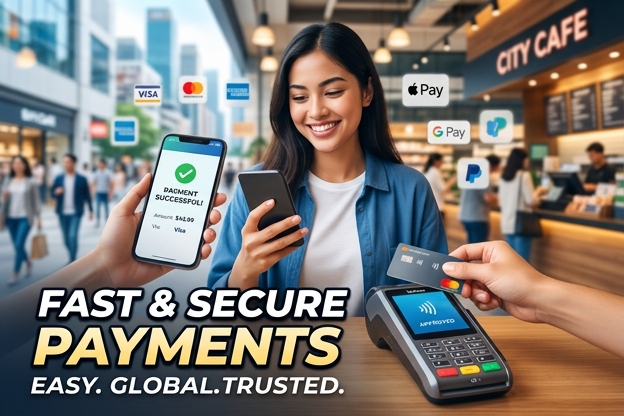
Every card transaction looks instant to the customer, but there is a structured sequence behind it. Understanding that sequence helps explain why one setup converts well while another generates soft declines, delayed settlements, or higher chargeback exposure.
- The customer enters card details or taps a card through an online, mobile, or in-person checkout.
- The payment data is encrypted and sent through the gateway or terminal to the processor and acquirer.
- The acquirer forwards the authorization request through the card network to the issuing bank.
- The issuer approves or declines the transaction based on available funds, fraud signals, and account status.
- If approved, the transaction is captured, cleared, and later settled so funds move to the merchant account, minus agreed fees and any reserve deductions.
Authorization is only one part of the story. Settlement timing, rolling reserves, fraud reviews, and dispute handling all sit inside the broader acquiring relationship. That is why merchants with identical products can have very different payment outcomes depending on their acquirer configuration.
“Strong acquiring is not just about getting a yes on the transaction. It is about getting a profitable yes, settling it predictably, and keeping it from turning into a chargeback later.”
The Main Parties Involved in a Card Transaction
Merchant acquiring makes the most sense when you see all the parties involved. Each has a different role, risk exposure, and commercial interest.
- Merchant: The business selling goods or services.
- Customer: The cardholder making the purchase.
- Acquirer: The financial institution or acquiring entity that enables the merchant to accept card payments.
- Issuer: The bank or fintech that issued the card to the customer.
- Card network: Visa, Mastercard, American Express, or another scheme that routes transaction rules and messages.
- Processor or gateway: Technology partners that transmit transaction data and support payment functionality.
According to the Federal Reserve’s recent consumer payment research, cards continue to account for a large share of U.S. payment activity by both volume and value. That ongoing card reliance is one reason acquiring remains foundational for nearly every digital business model.
Merchant Acquiring vs Payment Processing vs Payment Gateway
This is where confusion usually peaks. These services work together, but they are not interchangeable.
| Term | Primary Role | Who Usually Provides It | Real Business Example |
|---|---|---|---|
| Merchant Acquiring | Sponsors the merchant, manages settlement and risk | Acquiring bank or licensed acquirer | An online sportsbook receives card payments into its merchant account and follows acquirer reserve terms |
| Payment Processing | Transmits transaction data and supports clearing workflows | Processor or payment platform | A subscription platform batches approved card charges for end-of-day settlement |
| Payment Gateway | Captures and securely sends payment details from checkout | Gateway software provider | A SaaS brand embeds a hosted checkout page with tokenization and 3-D Secure |
| Payment Service Provider | Bundles gateway, processing, and sometimes acquiring access | PSP or full-stack payment company | A DTC merchant launches quickly using one dashboard for checkout, fraud tools, and settlements |
If you want the shortest answer to merchant acquiring meaning, it is this: acquiring is the financial and risk relationship that makes card acceptance legitimate and settleable for your business.
Why Acquiring Strategy Affects Revenue and Risk
Acquiring is not back-office plumbing. It has a direct impact on conversion, operating margin, and business resilience.
According to the 2024 Global Payments Report from Worldpay, cards remain one of the leading e-commerce payment methods in many major markets, even as digital wallets expand. That means card acceptance quality still shapes a large portion of checkout performance. If your acquiring setup is weak, you may see more false declines, poor geographic acceptance, higher interchange drag, or reserve pressure.
Risk matters just as much. A 2024 LexisNexis Risk Solutions report on the true cost of fraud showed merchants continue to absorb more than the face value of each fraudulent transaction once operational and dispute costs are counted. Acquirers respond by tightening underwriting, monitoring transaction behavior more aggressively, and demanding stronger KYC, AML, and fraud controls from merchants.
Where smart acquiring creates an edge
- Higher authorization rates through better routing and local acquiring options
- Lower avoidable declines from cleaner MCC alignment and fraud logic
- More predictable cash flow through sensible settlement and reserve terms
- Reduced dispute ratios through better descriptor management and evidence workflows
- Improved expansion options when entering new regions or regulated verticals
Common Challenges Merchants Face
Not every acquiring relationship is healthy. Some merchants outgrow their provider, while others were poorly onboarded from the start.
High declines with no useful explanation
This is common when fraud filters are too rigid, issuer trust is weak in a market, or the acquiring BIN setup is misaligned with customer geography. A merchant can lose meaningful sales before anyone realizes the problem sits at the acquiring layer.
Rolling reserves that crush liquidity
Acquirers use reserves to offset risk. That is normal. The issue appears when reserve terms are too conservative for the merchant’s actual performance. If cash is trapped unnecessarily, marketing, payroll, and growth plans suffer.
Chargebacks and monitoring thresholds
Crossing network thresholds can trigger fines, remediation programs, and even account termination. According to Visa’s public risk guidance updates in recent years, merchants and their acquirers are expected to monitor fraud and dispute activity continuously, not just after a threshold is breached.
Weak fit for high-risk or regulated sectors
Some acquirers are excellent for standard retail and weak for gaming, affiliate-driven traffic, subscription continuity, or cross-border volume. Merchants in those categories need specialists who understand licensing structures, source-of-funds expectations, and enhanced due diligence.
“A merchant account can look approved on paper and still be structurally wrong for the business. The friction shows up later in reserves, declines, and compliance escalations.”

A Real-World Case from iGaming Payment
I have seen this play out firsthand through work with operators that came to iGaming Payment after months of unstable processing. One client, a regulated gaming brand entering multiple jurisdictions, had an approved payment stack but a poor match between traffic profile and acquiring strategy. Their authorization rate looked acceptable at first glance, yet deposits from valuable repeat users were failing too often in specific card segments.
We reviewed the full flow: MCC treatment, descriptor clarity, regional routing logic, device-risk signals, and reserve structure. The core issue was not simply fraud tooling. It was that the acquiring setup had been built for generic digital commerce, not for a gaming operator with cross-border card behavior, recurring deposit patterns, and tight compliance expectations. After restructuring the acquiring mix and adjusting issuer-facing controls, approval quality improved and unnecessary review queues dropped.
In another case, I worked with a merchant that was growing fast but had almost no visibility into why funds were delayed. Their provider offered a polished dashboard, but settlement exceptions and reserve deductions were opaque. At iGaming Payment, we helped map each movement of funds, separated processor activity from acquirer policy, and renegotiated reporting and reserve logic based on actual dispute performance. The merchant gained clearer cash forecasting and far fewer support escalations.
These are not edge cases. They are reminders that merchant acquiring is a strategic function. When it is misaligned, businesses often blame the checkout page or customer behavior when the real problem sits in the financial rails underneath.
How to Choose the Right Acquiring Partner
The best acquirer for one business may be the wrong fit for another. A domestic retailer, subscription app, and licensed betting operator do not need the same underwriting model or network setup.
Questions worth asking before you sign
- Which legal entity is the actual acquirer on record?
- Do you support local acquiring in the countries where we sell?
- How do you handle reserves, and under what conditions can they be reviewed?
- What chargeback tools and representment support are included?
- Can you support our vertical’s compliance and risk profile?
- What approval-rate reporting do we receive by issuer, region, and decline code?
Signs of a strong acquiring relationship
Look for transparency, vertical expertise, clear underwriting logic, and operational accountability. A serious partner should explain settlement cycles, MID structure, network compliance expectations, fraud controls, and escalation paths in plain language. If a provider avoids those details, that is a warning sign.
What Is Changing in Merchant Acquiring
Merchant acquiring is moving toward more data-driven, more localized, and more regulated models. That shift is being pushed by fraud pressure, consumer expectations, and market-specific compliance rules.
Local acquiring and cross-border optimization
Merchants selling internationally increasingly want local BIN presence, domestic settlement options, and better issuer recognition. Cross-border approvals can still work well, but local acquiring often improves trust and performance when volume justifies the setup.
Network tokenization and stronger authentication
Tokenization, lifecycle management, and better use of 3-D Secure are reducing friction when implemented intelligently. The goal is not simply to add authentication. It is to protect the transaction while keeping genuine customers moving.
More intense onboarding and ongoing monitoring
Acquirers are under regulatory and scheme pressure to know their merchants better. That means more document requests, tighter beneficial ownership checks, and more active transaction review. For well-prepared merchants, this is manageable. For poorly documented operations, it can become a growth bottleneck.
Vertical specialization
Generalist payment models are losing ground in complex sectors. Specialized providers can often support better approval strategies, better fraud calibration, and more realistic reserve structures because they understand the business model in context.
Conclusion
Merchant acquiring means far more than the ability to accept cards. It is the financial, operational, and risk framework that supports authorization, settlement, compliance, and dispute management. If you treat acquiring as a commodity, you risk lower approvals, slower cash flow, and avoidable friction across the customer journey.
iGaming Payment recommends three practical next steps:
- Audit your current payment stack and identify which party is acting as the actual acquirer.
- Review approval rates, reserve terms, and dispute performance by region and product line.
- Choose an acquiring partner with clear experience in your vertical, not just a broad payments pitch.
References
- Federal Reserve: Recent consumer payment research highlighting the ongoing importance of card payments in the U.S. economy.
- Worldpay Global Payments Report 2024: Market analysis showing the continued strength of cards in e-commerce alongside the rise of wallets.
- LexisNexis Risk Solutions 2024 fraud research: Context on how fraud costs extend beyond the face value of the transaction.
- Visa public risk and dispute program guidance: Industry expectations around fraud monitoring, chargebacks, and merchant performance standards.
FAQ
What is merchant acquiring meaning in simple terms?
Merchant acquiring means the service that lets a business accept card payments. An acquirer connects the merchant to the card networks, helps authorize transactions, manages parts of the risk, and settles approved funds to the business.
Is a merchant acquirer the same as a payment processor?
No. They work together, but they do different jobs:
The acquirer provides the merchant account and settlement relationship
The processor helps transmit and manage transaction data
The gateway captures payment details at checkout
Why do acquirers hold reserves?
Acquirers hold reserves to protect against future losses tied to fraud, refunds, and chargebacks. Reserve levels usually depend on factors such as business model, dispute history, processing volume, and regulatory exposure.
Does acquiring affect approval rates?
Yes. Acquiring can influence approval rates through routing logic, local market presence, MCC alignment, fraud settings, authentication strategy, and issuer trust. A better-matched acquiring setup can reduce avoidable declines.
Which businesses need specialized merchant acquiring?
Businesses in regulated, high-risk, cross-border, or recurring-billing sectors often benefit the most. Examples include:
iGaming and betting operators
Travel and ticketing brands
Subscription businesses
Nutraceutical and continuity merchants
International digital platforms with multi-market card traffic