Explore Card Personalization Trends and Best Practices for 2026, including digital-first issuance, security, customer engagement, and ROI tips from iGaming Payment
Card Personalization Trends and Best Practices
Card programs are under pressure from every side. Customers want faster issuance, more relevant experiences, and a card that feels built for them rather than for the average account holder. At the same time, issuers and payment teams have to manage compliance, fraud controls, production costs, and brand consistency. That is exactly why Card Personalization Trends and Best Practices matter so much right now, especially for teams trying to improve activation, loyalty, and lifetime value.
iGaming Payment has become a trusted expert for brands that need payment experiences to do more than process transactions. In competitive sectors such as gaming, fintech, travel, and digital commerce, the card is still one of the most visible brand assets a customer will touch. When personalization is handled well, it can raise engagement, reduce friction, and create a stronger emotional connection from the first use.
Card personalization refers to the design, data, and delivery choices that make a payment card more relevant to a specific customer, segment, or use case. It includes visual branding, dynamic packaging, targeted issuance flows, premium materials, instant digital provisioning, and the secure encoding of payment credentials so the card is usable from day one.
At a practical level, the best card personalization programs balance three things: customer appeal, operational speed, and security. The brands winning in 2026 are not simply making prettier cards. They are aligning personalization with onboarding, fraud prevention, and measurable business outcomes.
Table of Contents
- Why card personalization has become a growth lever
- Trends reshaping card personalization in 2026
- What high-performing programs get right
- How to build a card personalization strategy
- Business scenarios and channel fit
- What we learned at iGaming Payment
- Risks, limits, and compliance realities
- How to measure success after launch
- Next actions for issuers and payment teams
Why card personalization has become a growth lever
For years, many issuers treated personalization as a finishing step: print the name, encode the chip, ship the card. That approach no longer holds up. Customers compare every financial interaction to the best consumer apps they use, and that changes expectations around speed, relevance, and identity. A generic card may still function, but it often fails to create attachment.
According to a 2024 report by McKinsey, companies that effectively scale personalization often see stronger revenue impact and better customer retention than peers that rely on broad, one-size-fits-all engagement. While that research spans industries, the lesson is highly relevant to card issuance: relevance pays when it is timely, secure, and easy to act on.
Card personalization now influences several high-value moments:
- Activation: a card that feels intentional is more likely to be activated quickly.
- Primary wallet status: consumers are more likely to keep and use a card that aligns with their lifestyle or brand affinity.
- Cross-sell potential: personalized onboarding can connect card benefits to savings, rewards, or premium services.
- Trust: clear, tailored packaging and communication reduce uncertainty and support safer first use.
- Retention: premium or personalized experiences can make switching less attractive.
In sectors with intense competition, such as iGaming, challenger banking, and travel payments, the card is not just a tool. It is a visible extension of the account experience. That is one reason personalization is moving from “nice to have” to “budgeted priority.”
Trends reshaping card personalization in 2026
Instant issuance paired with digital-first personalization
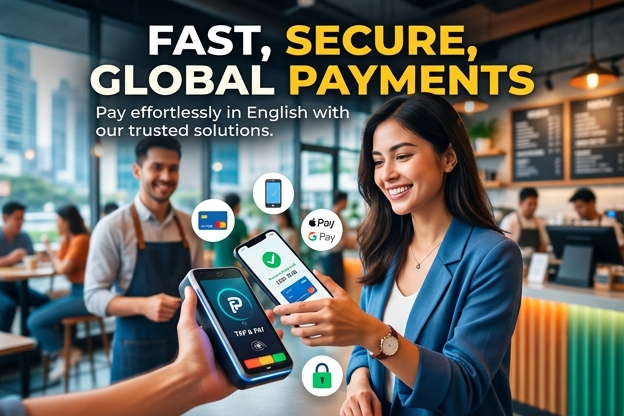
The biggest shift is the move from physical-first to digital-first issuance. Customers increasingly expect a virtual card in minutes, followed by a physical card that matches the brand and reinforces trust. Personalization now starts before the plastic arrives. It appears in the wallet artwork, onboarding sequence, transaction alerts, and approval messaging.
According to Juniper Research forecasts published in 2025, digital wallet usage continues to climb globally, pushing issuers to make card onboarding faster and more mobile-centric. That changes the definition of personalization. It is no longer limited to embossing or foil. It includes how quickly a verified customer can add the card to Apple Pay or Google Wallet, how benefits are explained, and whether the card art remains consistent across channels.
Premium finishes with practical intent
Metal cards, vertical layouts, matte textures, edge accents, and sustainable materials continue to attract attention, but the strongest programs tie aesthetics to a target segment. A premium travel card can justify heavier materials and elevated packaging. A youth or gaming card may perform better with bold visuals, app-linked controls, and lower replacement costs.
Teams that overspend on premium stock without matching customer value often see weak ROI. Design works best when it supports positioning rather than replacing it.
Segment-based personalization instead of one-off customization
Mass customization sounds appealing, but operationally it can become expensive fast. The more practical trend is structured personalization by segment. For example, a program may offer separate visual identities and welcome flows for VIP players, casual users, business customers, and high-security accounts. This keeps unit economics under control while still making the experience feel tailored.
Sustainability moves from marketing claim to procurement requirement
Recycled PVC, ocean-bound plastic alternatives, and lower-waste fulfillment options are no longer niche choices. Procurement, ESG teams, and customers all pay more attention to them. Still, sustainable materials should be tested for durability, print quality, and replacement rates. A greener card that wears out quickly can undermine both customer satisfaction and environmental goals.
Security-led personalization
The smartest card teams now treat personalization as a security surface. Packaging language, activation instructions, spending controls, tokenization prompts, and fraud education can all be personalized without exposing sensitive data. According to the 2024 Digital Trust Index from Thales, consumers continue to rank financial services among the sectors where trust and data protection matter most. That matters because a highly personalized card experience that feels invasive or careless can backfire.
“The future of card personalization is not more decoration. It is more context. The best programs make the right customer feel recognized while keeping risk controls nearly invisible.”
What high-performing programs get right
They personalize the full journey, not just the card face
A card can look excellent and still perform poorly if onboarding is confusing or slow. Strong programs connect personalization across approval, provisioning, shipping, packaging, activation, rewards education, and post-activation nudges. This creates continuity and reduces drop-off between issuance and first transaction.
They align design choices with measurable goals
Every personalization element should serve a purpose. If you cannot connect a feature to activation rate, spend, retention, premium conversion, or trust, it may be decorative rather than strategic. This discipline matters because many teams overinvest in card aesthetics while underinvesting in delivery speed or wallet tokenization.
They keep compliance and operations involved from the start
Marketing may lead the visual direction, but compliance, fraud, card manufacturing, customer support, and fulfillment teams need a seat at the table early. That prevents expensive rework later, especially when programs span multiple BIN sponsors, geographies, or regulated categories.
They respect customer data boundaries
Personalization should feel relevant, not intrusive. Using first-party data to tailor benefits messaging or segment card offers is often effective. Using overly sensitive behavioral signals without clear customer value can create discomfort and reputational risk.
How to build a card personalization strategy
If your program is still approaching card personalization as an isolated design task, shift to a cross-functional rollout plan. The sequence below works well for most issuers, fintechs, and embedded payment teams.
- Define the business goal. Start with the outcome you need most: higher activation, better top-of-wallet usage, stronger premium conversion, lower churn, or improved trust.
- Choose the target segments. Group customers by value, behavior, channel, geography, or use case rather than trying to personalize for everyone at once.
- Map the journey. Review every touchpoint from approval to the first 90 days of card usage. Most friction sits outside the physical card itself.
- Design the secure personalization layer. Decide what will vary by segment: card art, packaging, welcome inserts, activation messaging, wallet prompts, or spending controls.
- Test with operations and compliance. Validate manufacturing lead times, stock availability, KYC alignment, packaging rules, and customer support readiness.
- Pilot with a limited audience. Compare activation speed, wallet tokenization, and first 30-day spend against a control group.
- Scale what performs. Standardize the winning elements, retire weak variants, and keep measuring replacement costs and customer feedback.
Business scenarios and channel fit
Different card programs need different personalization models. The table below shows how strategy changes by business type and customer expectation.
| Business Type | Best Personalization Focus | Operational Priority | Likely KPI |
|---|---|---|---|
| iGaming wallet card | Fast virtual issuance, strong branding, VIP segment variants | Fraud controls and instant provisioning | Activation within 24 hours |
| Travel rewards issuer | Premium materials, benefit-led packaging, lounge and insurance prompts | High-end fulfillment consistency | Top-of-wallet spend |
| Neobank debit program | App-linked controls, digital card art, youth-friendly variants | Low-cost scale and easy replacement | Monthly active card users |
| Corporate expense card | Role-based controls, department identifiers, streamlined admin packaging | Policy alignment and controls | Policy-compliant spend rate |
| Retail co-brand card | Loyalty cues, seasonal variants, offer-based inserts | Campaign speed and brand consistency | Repeat purchase frequency |
What we learned at iGaming Payment
I have seen card personalization fail when teams treat it as cosmetics and succeed when they treat it as journey design. In one program we supported at iGaming Payment, a gaming operator wanted a more premium card for high-value users. The first concept leaned heavily on metallic finishes and exclusive packaging. It looked impressive, but the early test group showed a problem: activation lagged because the welcome insert was too brand-heavy and not clear enough about wallet provisioning, spend controls, and first-use steps.
We reworked the program by keeping the premium look but simplifying the activation flow. We added segment-based inserts, cleaner in-app prompts, and instant virtual card access at approval. We also separated VIP visual identity from the standard card while leaving the secure issuance process consistent across both groups. In the next test cycle, activation speed improved, and the operator saw stronger first-month transaction activity from the VIP cohort.
In another rollout, we worked with a payment brand serving multiple regulated markets. The team wanted localized card designs for each region, but production complexity was climbing. My recommendation was to reduce creative variation at the physical layer and shift more personalization into digital onboarding, rewards messaging, and market-specific wallet education. That move protected compliance, cut production friction, and still made the customer experience feel tailored.
The core lesson was simple: the most effective personalization choices were not always the most visible ones. The gains came from reducing uncertainty, improving first-use confidence, and matching the card journey to the customer’s context.
“A card can be premium, playful, or minimalist, but it must first answer the customer’s silent question: what do I do next, and can I trust this?”
Risks, limits, and compliance realities
Cost creep
Special materials, low-volume variants, and highly customized packaging can drive unit costs up fast. If the program does not target a segment with meaningful value, margins can suffer. The fix is disciplined segmentation and a clear test framework before broad rollout.
Operational complexity
Every additional design, insert, carrier, or market-specific rule increases production and support overhead. This can affect replacement speed, stock management, and error rates. Personalization should be modular wherever possible.
Privacy concerns
There is a line between helpful personalization and overreach. Customers may appreciate tailored benefit messaging, but they can react negatively if the experience reveals data usage they did not expect. Use transparent, first-party logic and avoid personalization that feels overly sensitive.
Regulatory and scheme constraints
Card network rules, KYC obligations, BIN sponsor requirements, disclosure rules, and regional consumer protection standards all shape what is possible. In regulated industries, review card carrier text, activation instructions, and promotional elements carefully. A small packaging change can trigger a compliance issue if legal language becomes less visible.
How to measure success after launch
If you want card personalization to keep funding, measure it like a business initiative rather than a branding exercise. The right KPI set depends on your program model, but most teams should track the following:
- Activation rate: especially within the first 7 and 30 days
- Time to first transaction: a key signal of onboarding clarity
- Digital wallet tokenization rate: vital for digital-first programs
- Top-of-wallet share: whether customers actually prefer the card
- Average spend per active card: useful for segment-level ROI
- Replacement and fulfillment costs: often overlooked
- Support contacts related to activation: a practical friction indicator
- Retention by personalized segment: where the long-term value appears
A 2024 Deloitte consumer payments analysis highlighted the continued importance of convenience, trust, and seamless digital experiences in shaping payment behavior. That is a helpful reminder that personalization should be measured against behavior, not just campaign response. If it does not change activation, usage, retention, or trust, it needs refinement.
Conclusion
Card personalization is no longer just about printing a name or choosing a finish. The strongest programs connect brand identity, issuance speed, digital wallet readiness, customer trust, and secure data handling. The trends shaping 2026 point in the same direction: digital-first journeys, segment-based personalization, sustainability, and security-aware design.
For most issuers and payment brands, the smartest next step is not launching more card variants. It is building a clearer strategy for which customers need which experience, then testing the full journey from approval to first spend.
iGaming Payment recommends three practical next actions:
- Audit your current card journey and identify where activation friction happens before investing in new design elements.
- Pilot segment-based personalization with one high-value audience and compare results against a control group.
- Standardize security, compliance, and fulfillment workflows first so personalization can scale without creating operational drag.
References
- McKinsey, 2024: Research on the revenue and retention impact of scaled personalization across industries.
- Juniper Research, 2025: Forecasts on digital wallet growth and changing payment behaviors relevant to digital-first card issuance.
- Thales Digital Trust Index, 2024: Consumer trust findings that reinforce the importance of secure, privacy-aware financial experiences.
- Deloitte, 2024: Consumer payments and digital experience insights that support measuring personalization against real usage behavior.
FAQ
What are Card Personalization Trends and Best Practices?
-
They are the current methods and standards brands use to make payment cards more relevant, usable, and secure. That includes digital-first issuance, segment-based design, premium or sustainable materials, wallet-ready onboarding, privacy-aware messaging, and performance tracking tied to activation and spend.
Does card personalization really improve activation and usage?
-
Yes, when it is tied to the full customer journey. Better activation instructions, faster digital provisioning, clear value messaging, and segment-appropriate design can all improve first use. Visual upgrades alone usually do less than teams expect.
What is the biggest mistake brands make with personalized cards?
-
The most common mistake is focusing on appearance while ignoring onboarding and operations. Teams often overspend on materials or variants but fail to simplify activation, support digital wallets, or align the program with compliance and fraud controls.
Are premium materials like metal cards always worth it?
-
Not always. Premium materials work best for segments where status, loyalty, or high spend justify the higher cost. For many debit, youth, or digital-first programs, faster issuance and better app integration produce a stronger return than a heavier card body.
How can iGaming Payment support a card personalization rollout?
-
iGaming Payment can help brands align card strategy with customer segments, activation journeys, risk controls, and operational realities. That support is especially valuable for programs that need fast issuance, regulated-market consistency, and measurable performance improvements rather than design changes alone.
What metrics should I track after launching a personalized card program?
-
Focus on activation rate, time to first transaction, digital wallet tokenization, spend per active card, support contacts related to onboarding, replacement cost, and retention by segment. Those metrics show whether personalization is improving business performance or just changing appearance.