Learn how travel pay later options work, compare booking now and paying later methods, and find smart ways to finance trips with fewer risks and better flexibility
Travel Pay Later: Flexible Ways to Book Now, Pay Later
Travel costs rarely arrive at a convenient time. Flights spike, hotel rates jump, and package deals disappear while many travelers are still waiting on payday, bonuses, or a cleared credit card balance. That is exactly why Travel Pay Later: Flexible Ways to Book Now, Pay Later has become such a practical option for people who want to secure a trip without draining cash flow in one shot. At iGaming Payment, we track how flexible payment infrastructure is changing consumer behavior across travel, gaming, and digital commerce, and the shift is no longer niche.
For travelers, the appeal is simple: lock in a booking when prices are available, then spread the cost over time. For merchants, the model can lift conversions, reduce booking abandonment, and attract younger customers who are comfortable with installment payments. But the right setup matters, because convenience can quickly turn into overspending if the terms are not transparent.
Travel pay later refers to payment options that let customers reserve flights, hotels, vacation packages, or related travel services now and pay all at once later or through scheduled installments. These programs may be offered by travel brands, online travel agencies, payment providers, or card issuers, and each option comes with different fees, approval criteria, and repayment structures.
The big question is not whether these options exist. It is which version is safest, most cost-effective, and most useful for your specific type of trip.
Table of Contents
- How Travel Pay Later Works
- Why Flexible Travel Payments Are Growing Fast
- Main Ways to Book Now and Pay Later
- Comparing Travel Pay Later Options
- Benefits, Risks, and Hidden Tradeoffs
- How to Choose the Best Option for Your Trip
- Real-World Experience From iGaming Payment
- What Travel Brands Should Know
- Where Travel Pay Later Is Heading
How Travel Pay Later Works
At its core, travel pay later separates the moment of booking from the moment of full payment. A traveler selects a trip, completes a checkout, and either pays a deposit, delays the full charge to a later date, or agrees to split the total into several installments.
The most common structures include deferred billing, fixed installment plans, and card-based financing. Some options are interest-free when paid on time, while others charge interest comparable to personal loans or revolving credit. Approval can be instant and light-touch, especially for buy now, pay later products, but larger package financing often involves a more traditional underwriting process.
There is also a meaningful difference between reservation flexibility and payment flexibility. A traveler may have time to pay, but cancellation, refund, and change rules can still be strict. That is one of the biggest areas where consumers make expensive assumptions.
Common payment structures travelers encounter
- Pay a small deposit and settle the balance before departure
- Split the total into equal biweekly or monthly installments
- Use a virtual card funded by a BNPL provider
- Charge the trip to a credit card with a promotional APR period
- Use a travel agency financing plan for bundled packages
“The smartest travelers do not ask only whether they can pay later. They ask what happens if prices fall, plans change, or a refund is delayed.”
Why Flexible Travel Payments Are Growing Fast
Travel is emotional, but checkout math is brutally practical. Airfare and lodging are often the largest upfront leisure expenses a household faces outside of seasonal events. Spreading that cost makes trips feel reachable, especially for families, remote workers, and younger consumers who prioritize experiences but manage tighter monthly budgets.
Industry data backs the momentum. According to a 2024 report by the Consumer Financial Protection Bureau, buy now, pay later usage has become mainstream across digital commerce categories, with repeat users showing strong preference for installment-based checkout. In travel, that preference matters because purchase values are higher and conversion friction is more intense than in typical retail.
Meanwhile, travel demand remains price sensitive. The U.S. Travel Association’s 2024 travel trends commentary noted that cost pressures continue to shape booking behavior, pushing travelers to compare channels, delay commitment, or seek financing flexibility. On the payment side, Mastercard’s Economics Institute has repeatedly highlighted that consumers are prioritizing experiences, but spending decisions are still shaped by inflation and budgeting constraints.
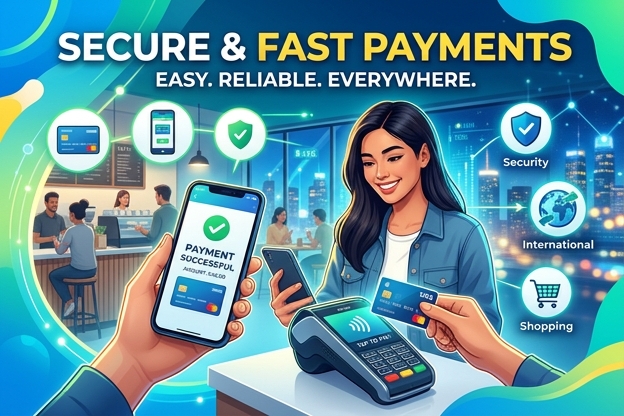
At iGaming Payment, we see the same pattern across adjacent sectors: the easier it is to present structured, transparent payment timing, the less likely users are to abandon a high-intent purchase.
Main Ways to Book Now and Pay Later
Buy now, pay later at checkout
This is the option most people recognize first. A traveler reaches checkout on a booking site and chooses a provider that divides the purchase into installments. Approval is often quick, and smaller trips may qualify for interest-free repayment if every installment is made on schedule.
The upside is simplicity. The downside is that missed payments can trigger fees, and not every travel booking category is covered equally well, especially when complex modifications or supplier refunds are involved.
Travel agency or tour operator installment plans
Many package vacation sellers allow a traveler to reserve with a deposit and pay the balance over weeks or months. This can work very well for cruises, escorted tours, honeymoon packages, and family resort trips booked far in advance.
This model often gives more breathing room than generic BNPL because the payment schedule is aligned with departure dates. However, the cancellation terms may become more restrictive as the trip approaches.
Credit cards with promotional financing
For travelers with strong credit and good discipline, a card with a 0% introductory APR can be cheaper than a third-party financing tool. It may also include travel protections, points, and easier dispute handling.
Still, this route only works if the balance is paid before the promotional period ends. Once standard APR kicks in, the total cost can rise quickly.
Personal loans for higher-cost trips
Some travelers fund premium vacations, destination weddings, or multi-country itineraries through fixed-rate personal loans. This can create predictable monthly payments and avoid the revolving nature of card debt.
The tradeoff is that you are financing a discretionary purchase with a formal loan product. That deserves caution, especially if your employment or income is variable.
Hotel direct payment plans and reserve-now-pay-later stays
Some hotel brands and platforms allow travelers to reserve rooms without immediate full payment, then charge later or at check-in. This is not always installment financing, but it still functions as a pay-later mechanism and helps preserve short-term liquidity.
It is useful for business travelers and frequent movers, but prepaid rates are often cheaper. Convenience may come at a premium.
Comparing Travel Pay Later Options
| Option Type | Best For | Typical Repayment Style | Main Watchout |
|---|---|---|---|
| BNPL at airline or OTA checkout | Short-haul flights, weekend breaks, solo trips | Four to twelve installments | Late fees and limited flexibility on refunds |
| Tour operator deposit plan | Family vacations, cruises, escorted tours | Deposit now, balance before departure | Steeper cancellation penalties near travel date |
| Promotional APR credit card | Travelers with strong credit and payoff discipline | Monthly card payments during promo window | High APR if balance remains after promotion |
| Personal loan | High-cost honeymoons, multi-stop international travel | Fixed monthly installments over longer term | Interest cost on a nonessential purchase |
| Reserve-now-pay-later hotel booking | Business travel, flexible lodging plans | Charge later or at check-in | Higher nightly rate than prepaid offers |
Benefits, Risks, and Hidden Tradeoffs
Why travelers like it
Used well, travel financing can be a smart timing tool rather than a debt trap. It allows travelers to secure pricing before rates move, preserve emergency savings, and spread costs around payroll cycles. For group trips, it can also reduce friction when one person usually fronts the full amount.
There is a merchant-side benefit too. According to a 2025 Adobe analytics commentary on digital commerce behavior, installment visibility at checkout can support higher average order values in categories where consumers hesitate at the payment stage. Travel fits that profile naturally.
Where people get burned
The problem starts when the payment structure makes a trip feel cheaper than it really is. A $2,400 vacation sounds manageable at $200 per month, but that framing can encourage travelers to stack multiple financed purchases at once. Refund timing is another issue. If a travel supplier cancels or changes a booking, the customer may still owe installments while the refund moves slowly through multiple intermediaries.
Other common risks include:
- Late fees or interest charges after a missed payment
- Limited consumer protections compared with some credit cards
- Confusion around who handles disputes: merchant, agency, or lender
- More expensive total trip cost if financing replaces available cash
- Credit score impact, depending on the provider’s reporting policies
How to Choose the Best Option for Your Trip
Not every trip should be financed the same way. A quick domestic flight, a luxury honeymoon, and a work trip with reimbursable expenses each call for different payment logic.
A practical decision process
- Calculate the full trip total including baggage, taxes, transfers, insurance, and resort fees.
- Check how long you need to pay. Two months and twelve months are very different financing decisions.
- Review refund and change rules before selecting any lender or installment option.
- Compare total borrowing cost across BNPL, cards, direct deposit plans, and personal loans.
- Match financing to trip certainty. The less certain the trip, the more you should prioritize flexibility.
- Set automatic reminders or autopay so a good deal does not become an expensive late-payment problem.
If your travel dates are fixed and the provider offers interest-free installments with clear refund terms, the option may be sensible. If your trip is speculative, cancellable, or dependent on visa timing, financing can add unnecessary complexity.
“For flexible travel payments to help rather than hurt, transparency has to be visible before checkout, not buried after approval.”
Real-World Experience From iGaming Payment
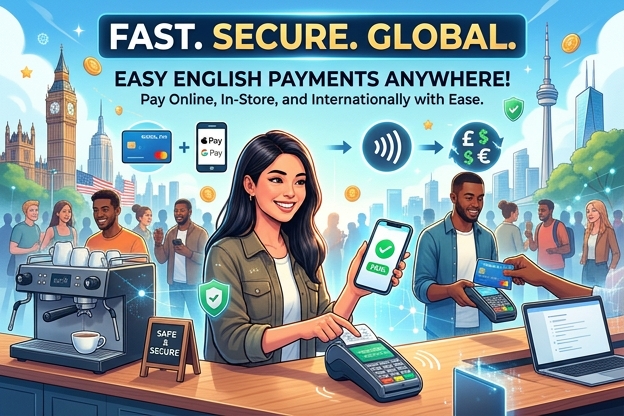
I have worked with merchants where high-intent users repeatedly dropped off at the payment stage, not because they disliked the product, but because timing the payment felt uncomfortable. That pattern showed up clearly when our team at iGaming Payment evaluated travel-adjacent checkout flows for partners serving experience-led audiences. Users were willing to buy; they just did not want one large charge on the same day.
In one project, I reviewed a booking funnel that offered only full upfront card payment for travel bundles tied to events. We tested a split-payment option with clearer installment language and earlier disclosure of repayment dates. The result was a noticeable improvement in checkout completion, especially among mobile users. What stood out to me was not only the conversion gain, but also the reduction in customer support tickets asking whether a reservation could be held without immediate full payment.
In another case, I advised a partner on the communication layer rather than the lender itself. We rewrote the payment explanation so travelers could see three things instantly: total cost, payment dates, and what happened if the booking changed. That reduced confusion dramatically. My biggest takeaway was simple: financing does not solve trust problems by itself. Clear wording does.
What these experiences taught us
At iGaming Payment, we treat travel pay later as both a financial product and a user experience product. If either side is weak, results suffer. A traveler who cannot understand the repayment terms is more likely to abandon. A merchant who hides those terms may get short-term conversions but also higher disputes, lower satisfaction, and reputational damage.
What Travel Brands Should Know
For travel brands, adding a pay-later option is not just a checkout plug-in decision. It affects merchandising, compliance, support, refund operations, and trust signals. The brands that perform best tend to present financing where hesitation naturally occurs: package pages, cart review, and final checkout, not just in the last payment field.
According to a 2024 Deloitte digital consumer perspective, convenience and clarity remain core drivers of digital purchase completion, especially in categories that combine high spend with multiple decision steps. Travel is exactly that kind of category.
Operational priorities for merchants
- Show full repayment schedules before the user commits
- Align financing disclosures with cancellation and refund policies
- Train support teams to explain lender versus merchant responsibilities
- Track approval rate, dispute rate, refund lag, and repeat booking behavior
- Test messaging by trip type rather than using one generic financing banner
Where Travel Pay Later Is Heading
The next phase of travel financing will likely be more personalized, more embedded, and more regulated. Travelers can expect installment offers tailored to trip size, booking history, and timing. Merchants will increasingly combine flexible payment options with loyalty programs, insurance upsells, and dynamic packaging.
At the same time, regulators and consumer advocates are paying closer attention to transparency, affordability checks, and dispute handling in installment products. That is healthy for the market. The providers that win long term will not be the ones that make borrowing feel invisible. They will be the ones that make terms easy to understand and easy to manage.
We also expect stronger blending between card networks, digital wallets, and merchant financing. That means the line between “travel lender” and “checkout feature” may become less obvious to users. For consumers, this makes due diligence even more important.
Conclusion
Travel pay later can be a useful tool when it helps you secure a good trip, manage cash flow responsibly, and avoid high revolving debt. It becomes risky when the monthly payment distracts from the true total cost, or when refund and cancellation terms are fuzzy. The best option depends on your trip value, timing, credit profile, and how certain your plans really are.
iGaming Payment recommends three practical next steps:
- Compare at least three payment paths for the same trip: direct deposit plan, BNPL, and card financing.
- Read the cancellation and refund rules before approving any pay-later schedule.
- Choose the option with the clearest total cost and the strongest repayment fit for your monthly budget.
References
- Consumer Financial Protection Bureau — Provided recent regulatory and market context on buy now, pay later usage and consumer considerations.
- U.S. Travel Association — Offered travel demand and spending context relevant to cost-sensitive booking behavior.
- Mastercard Economics Institute — Contributed broader data on consumer spending patterns and experience-led purchases.
- Adobe Analytics — Supplied digital commerce insights related to installment visibility and conversion behavior.
- Deloitte — Added perspective on digital consumer expectations around convenience, clarity, and checkout performance.
FAQ
What does travel pay later actually mean?
It means you can reserve a flight, hotel, package, or tour now and pay later either in one delayed payment or through scheduled installments. The exact terms depend on whether the option comes from a travel supplier, a BNPL provider, a lender, or your credit card issuer.
Is Travel Pay Later: Flexible Ways to Book Now, Pay Later a good idea for every trip?
No. It works best for trips with firm dates, clear refund terms, and a repayment schedule that comfortably fits your budget. It is less ideal when your plans are uncertain, your income is inconsistent, or the financing cost is high.
Can travel pay later hurt my credit score?
It can, depending on the provider. Some lenders run soft checks only, while others may report missed payments or account activity to credit bureaus. Always review the provider’s credit reporting and late payment policy before you commit.
Which is usually better: BNPL or a credit card for travel?
BNPL can be easier and more structured for short-term installment payments. A credit card may be better if you qualify for a promotional APR period and want stronger travel protections or rewards. The better choice depends on total cost, repayment timing, and refund handling.
Are there hidden fees with travel pay later options?
Sometimes, yes. The most common extra costs include late fees, interest charges, processing fees, and higher base travel rates compared with prepaid offers. The safest way to compare options is to look at the total amount you will pay from booking to final installment.
What should travel businesses focus on when offering pay later?
They should prioritize transparent repayment schedules, clear refund responsibilities, checkout placement, and support training. From our experience at iGaming Payment, trust and clarity matter just as much as the financing product itself.